Which Light Duty Tow Truck Fits Your Fort Worth, TX Breakdown?
Light duty towing in Fort Worth, TX transports cars, motorcycles, and small trucks using flatbed or wheel-lift methods matched to your vehicle type.
What Counts as a Light Duty Tow?
Light duty towing covers any vehicle under ten thousand pounds, which includes most passenger cars, SUVs, motorcycles, and small pickup trucks.
The term refers to the weight class of the vehicle being towed rather than the size of the tow truck itself. A standard sedan, a compact SUV, or a half-ton pickup all fall within the light duty range. Even many full-size SUVs qualify depending on their curb weight. The tow operator matches the truck and equipment to your specific vehicle to ensure safe transport without overloading the rig or damaging your car during the move.
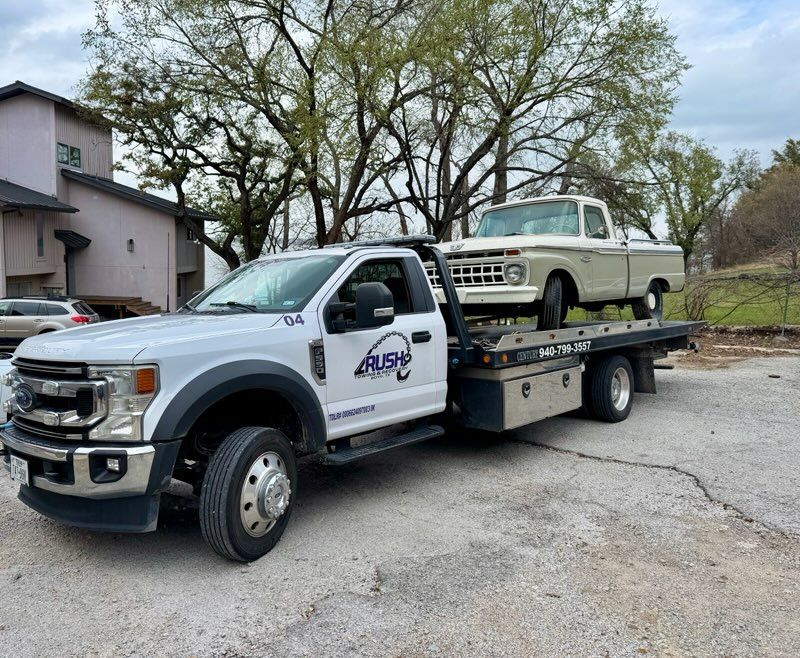
Two main equipment types handle light duty jobs. Flatbed trucks, also called rollbacks, tilt their entire bed to ground level so your vehicle can be winched up and secured with all four wheels off the road. Wheel-lift trucks use a hydraulic boom that cradles the front or rear axle and lifts that end off the ground while the other set of wheels rolls freely. Each method has advantages depending on your vehicle and the situation, and the operator will recommend the right one when they arrive.
Is a Flatbed or Wheel-Lift Better for Your Car?
Flatbed transport is generally the safest option because it keeps all four wheels off the pavement and eliminates drivetrain wear during the tow.
If your vehicle has all-wheel drive or four-wheel drive, a flatbed is almost always the right call. Towing these vehicles with two wheels on the ground can damage the transfer case or center differential because the drivetrain components spin at different speeds. Front-wheel-drive cars can sometimes be safely wheel-lifted from the front with the rear wheels rolling, but this depends on the specific make and model.
Wheel-lift trucks work well for short-distance tows of rear-wheel-drive or front-wheel-drive vehicles where a flatbed is not necessary. They are also faster to set up in tight parking situations because they do not need as much clearance behind the truck. Rush Towing and Recovery keeps clean, well-maintained trucks equipped with both options so the crew can match the method to your vehicle on site. If you need light duty towing in Fort Worth, TX, let the dispatcher know your vehicle type so they can send the right equipment from the start.
What Should You Do While Waiting for a Light Duty Tow?
Move your vehicle to the safest available spot, turn on your hazard lights, and stay alert to traffic around you until the tow truck arrives.
If your car breaks down on a highway or busy road, try to coast to the shoulder or the nearest parking lot before the engine dies completely. Turn your steering wheel away from traffic so the car will roll away from the road if it gets bumped. At night, turn on your interior dome light so the tow operator can spot you more easily.
Gather your keys, registration, and insurance information while you wait. The tow operator will need to know where you want the vehicle taken, so have a destination in mind before they arrive. If your car stalled in a place where you feel unsafe, stay inside with your doors locked and seatbelt fastened. You can also request emergency towing services in Fort Worth if the situation requires an urgent response outside normal hours.
Does Fort Worth's Summer Heat Increase Light Duty Tow Calls?
Yes, extreme summer temperatures in Fort Worth push engines, batteries, and tires past their limits, which leads to a noticeable spike in tow requests each year.
When ambient temperatures climb above one hundred degrees, the asphalt surface can reach one hundred fifty degrees or more. This accelerates tire wear and makes blowouts more likely, especially on older tires with low tread depth. Overheated engines are another common summer problem. Coolant systems that work fine in mild weather can fail under the sustained heat of a Fort Worth July or August, leaving drivers stranded with steam pouring from under the hood.
Battery failure also increases in extreme heat because high temperatures cause the electrolyte fluid inside the battery to evaporate faster. A battery that barely made it through winter may die without warning during the first serious heat wave of summer. Fort Worth drivers can reduce their risk by checking tire pressure, coolant levels, and battery health before the hottest months arrive. When a breakdown does happen despite precautions, knowing which tow method fits your vehicle helps you communicate clearly with the operator and get back on schedule faster.